
Insights
Building the AI Fabric: How to Future-Proof Compute Pipeline
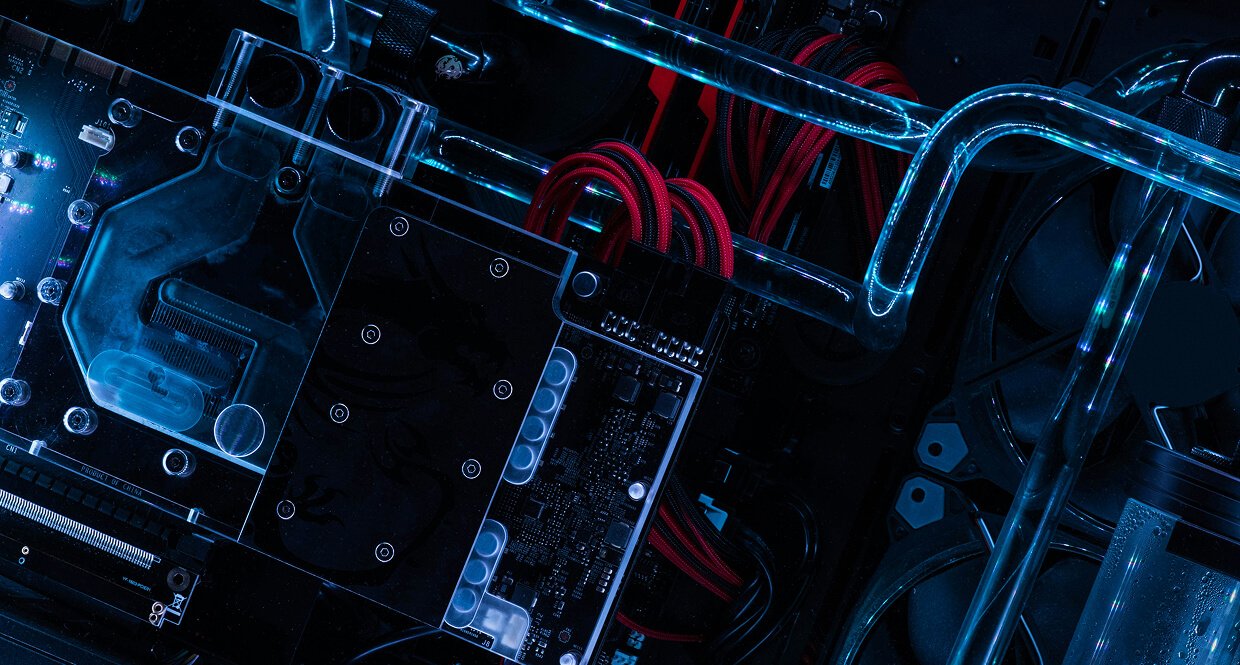
AI is expanding faster than most enterprise systems can keep up with. Models are getting larger, inference demands are rising, and businesses need real-time insights instead of batch processing. To stay ahead, organizations must build an AI fabric — a flexible, scalable compute pipeline capable of handling the AI workloads of today and the innovations of tomorrow.
Future-proofing this pipeline isn’t about buying the biggest servers or the newest GPUs. It’s about designing an architecture that evolves as technology evolves.
1. Start With Modular Compute Layers
Traditional monolithic systems break quickly under AI workloads. A modular compute approach — separating training, inference, data processing, and orchestration layers — enables easy upgrades without shutting down operations. Each layer can scale independently based on demand.
2. Embrace Hybrid and Multi-Cloud
AI workloads fluctuate. Some are compute-heavy, some are storage-heavy, and some require low latency. Hybrid and multi-cloud strategies prevent vendor lock-in and give enterprises the flexibility to choose the fastest, cheapest, or most compliant environment at any moment.
3. Build Data Pipelines That Don’t Break
AI pipelines rely on data that is clean, timely, and consistent. Future-proofing requires:
-
Automated data validation
-
Real-time streaming capabilities
-
Versioned data sets
-
Strong governance and lineage
If data isn’t reliable, the pipeline won’t be either.
4. Automation Is the New Operations
AI operations (AIOps) and DevOps automation reduce friction across the compute pipeline. Automated scaling, workflow orchestration, and model deployment ensure the pipeline adapts to workload spikes without manual intervention.
5. Optimize for Both Training and Inference
Enterprises often optimize for training but ignore inference — where real value happens. A future-ready compute pipeline uses:
-
GPU/TPU acceleration
-
Model compression
-
Edge computing where needed
-
Caching for repeated queries
Balanced optimization ensures efficiency across the entire lifecycle.
6. Continuous Monitoring Keeps the Pipeline Healthy
Monitoring is not optional. Model drift, hardware bottlenecks, and performance degradation can quietly damage accuracy and cost millions. Future-proof pipelines include:
-
Real-time observability
-
Model performance dashboards
-
Auto-retraining triggers
-
Usage and cost monitoring
Conclusion
Future-proofing an AI compute pipeline is not a one-time project — it’s an architectural mindset. By building an adaptive AI fabric grounded in modular design, flexible cloud strategy, strong data foundations, and continuous optimization, enterprises can handle whatever the future of AI brings.